Last Updated on March 7, 2026 by Lindsey
If you are planning 2 weeks in Croatia, this itinerary gives you a realistic, well-paced route that covers the Dalmatian Coast, iconic islands, and a few standout inland stops without feeling rushed. Croatia is compact, but travel days, ferry schedules, and seasonal crowds make route planning more important than it looks on a map. This guide is designed for first-time visitors who want a balanced Croatia itinerary that combines historic cities, island time, and unforgettable experiences, all laid out day by day.
This itinerary is based on my firsthand travel experience and prioritizes efficient transitions, walkable bases, and destinations that are genuinely worth the time when you have two weeks.
- Planning a Trip to Croatia: Quick Answers
- 2 Weeks in Croatia Itinerary (Exactly What We Did—and Expert Tips)
- Two Weeks in Croatia Itinerary Overview
- Day 1: Arrive in Hvar + Explore Hvar Town
- Day 2: Wine Tasting in Hvar
- Day 3: Sailing the Pakleni Islands
- Day 4: Ferry to Korčula + Sunset Tapas
- Day 5: Biking + Beaches in Korčula
- Day 6: Ferry to Dubrovnik + Wine and Oysters on the Pelješac Peninsula
- Day 7: Sea Kayaking + Dinner With Locals in Dubrovnik
- Day 8: Bay of Kotor Day Trip (Montenegro)
- Day 9: Mostar + Arrival in Split
- Day 10: Leisure Day in Split
- Day 11: Trogir + Winery Stop + Zadar (or Stay Near Plitvice)
- Day 12: Plitvice Lakes + Zagreb Arrival
- Day 13: Zagreb Food Tour + Last Night in Croatia
- Day 14: Departure From Zagreb
- Final Thoughts on This 2-Week Croatia Itinerary
- Island Hopping in Croatia: How It Fits Into This Itinerary
- Short on Time? How to Prioritize Croatia’s Best Experiences
- Have More Than Two Weeks? Extending This Croatia Itinerary
- 2 Weeks in Croatia FAQ
- Plan Your Own Croatia Vacation
Planning a Trip to Croatia: Quick Answers
Best Time to Visit Croatia
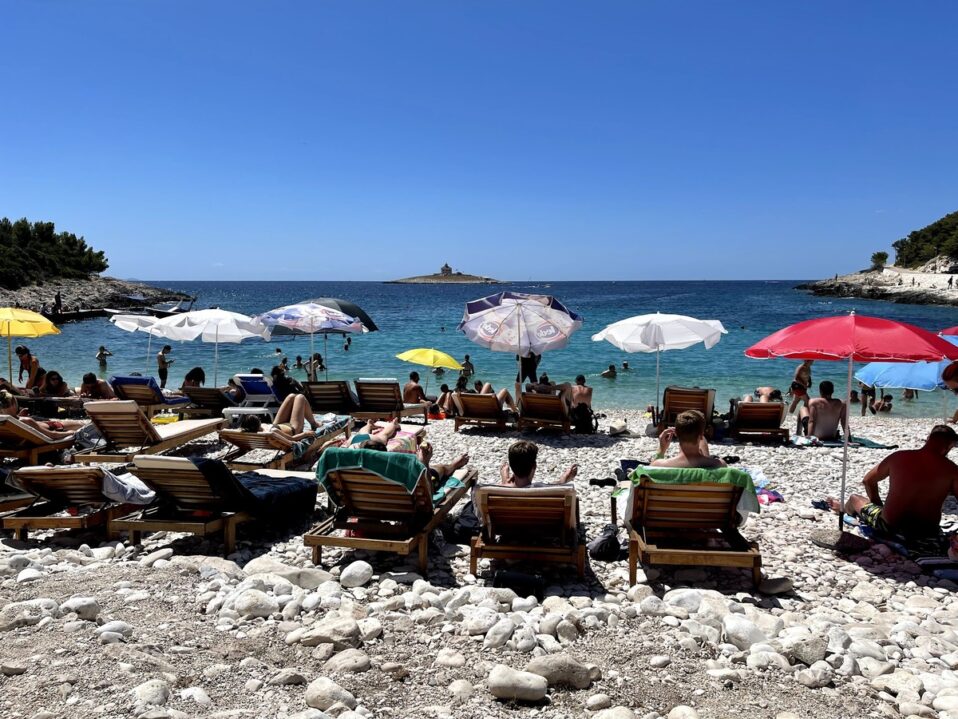
The best time to visit Croatia is May, June, September, and early October. During these shoulder months, the weather is warm, the sea is swimmable, and crowds are far lighter than in peak summer. July and August bring hot temperatures, packed ferries, and higher prices, especially along the Dalmatian Coast. If island hopping is a priority, late May through September offers the most reliable ferry schedules.
How Many Days Do You Need in Croatia?
Croatia rewards slow travel.
- 7 days works for one region or a single island base. Check out our one week in Croatia itinerary.
- 10 days allows for a mix of coast, islands, and one inland highlight.
- 2 weeks in Croatia is ideal for a balanced itinerary that includes Dubrovnik or Split, two islands, and a national park without rushing.
This is why a two-week Croatia itinerary remains the sweet spot for first-time visitors.
Is Croatia Good for Families?
Yes. Croatia is a strong destination for families with school-aged kids and teens. It is safe, compact, and easy to navigate, with walkable historic towns, calm beaches, and short ferry routes between islands. Restaurants are welcoming to children, and many tours are flexible enough to adapt for families. Parents traveling with kids will find the best experience by choosing fewer bases and prioritizing islands with easy logistics.
For a deeper breakdown, see our full guide to traveling Croatia with kids.
How to Get Around Croatia
Croatia is easiest to explore using a combination of ferries, short drives, and occasional flights.
- Ferries connect the mainland to major islands like Hvar and Korčula and are reliable in season.
- Driving works well for coastal routes and inland stops, with generally good road conditions.
- Flights make sense for longer distances, such as traveling between Dubrovnik and Zagreb.
Most travelers do not need a car for the entire trip. Strategic rentals between ferry legs keep logistics simple and costs down.
2 Weeks in Croatia Itinerary (Exactly What We Did—and Expert Tips)
Planning 2 weeks in Croatia can feel overwhelming at first. There are dozens of islands, multiple historic cities, and plenty of tempting detours, but not all routes work equally well when you factor in ferry schedules, travel time, and seasonal crowds. This is the exact Croatia itinerary we followed, based on firsthand travel, and it struck a great balance between island time, culture, food, and unforgettable experiences without feeling rushed.
Our route focused on the Dalmatian Coast, with carefully chosen island stops and a few standout inland experiences. We island-hopped, tasted local wine, explored medieval cities, visited iconic filming locations, and built in just enough downtime to actually enjoy each place. Along the way, I’ll share expert tips, personal insights, and a few alternate ideas we considered or skipped so you can adapt this Croatia itinerary to fit your own travel style.
Below is the full 2-week Croatia itinerary, broken down day by day.
Two Weeks in Croatia Itinerary Overview
This 2-week Croatia itinerary is built around a logical coastal route that minimizes backtracking and long travel days while still allowing time to slow down and enjoy each stop. We focused on the Dalmatian Coast, added two islands that are well worth the effort, and finished with a mix of historic cities and natural scenery.
Here’s how we structured our two weeks in Croatia, including the number of nights in each destination:
- 3 nights in Hvar
A perfect introduction to Croatia’s islands, with a mix of sailing, wine tasting, beaches, and atmospheric old-town evenings. - 2 nights in Korčula
A quieter island stop known for vineyards, medieval charm, and a more relaxed pace than Hvar. - 3 nights in Dubrovnik
Enough time to explore the Old Town, walk the city walls, and take memorable day trips to Montenegro and Bosnia. - 2 nights in Split
A lively coastal city and ideal base for Roman history, markets, and a slower travel day after moving around the islands. - 1 night near Zadar or Plitvice Lakes
This short stop breaks up the drive and allows for an early start at Plitvice National Park. - 2 nights in Zagreb
A surprisingly enjoyable capital city and a convenient place to end the trip before flying home.
This route worked extremely well for a first trip to Croatia and kept travel days manageable while still covering a wide range of experiences. Below, I break down each stop day by day, including where we stayed, what we loved most, and what I’d do differently next time.
Day 1: Arrive in Hvar + Explore Hvar Town
Catch a ferry from Split to Hvar and check into Heraclea Residential Apartments, which we loved for its central location and cozy, low-key vibe. Being able to walk everywhere made our first day effortless after travel.
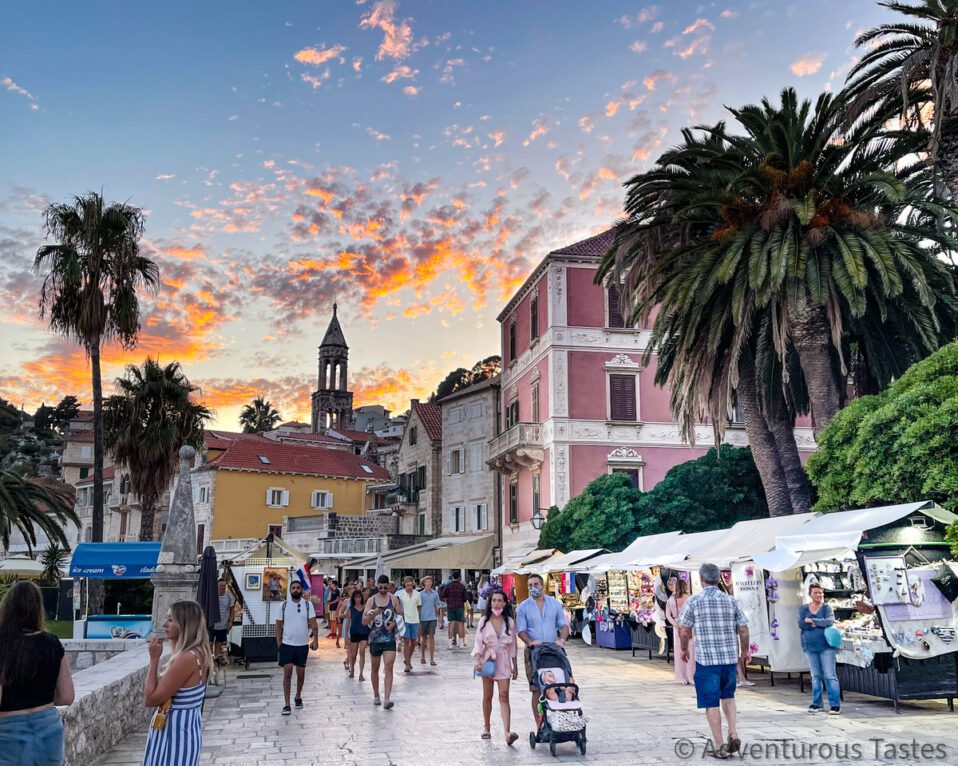
Spend the afternoon and evening wandering the polished marble streets of Hvar Town. The harbor views are stunning, and the energy here strikes a nice balance between lively and relaxed. Make time for the walk up to the Spanish Fortress. The climb is absolutely worth it for sweeping views over the harbor and the Pakleni Islands, especially at sunset.
We kicked off our first night with dinner at Bunar, where we had our first taste of Dalmatian seafood. Everything was ultra-fresh and simply prepared, which ended up being a theme we appreciated throughout Croatia.
⭐ Explore our favorite things to do in Hvar.
Alternate Hotel Picks in Hvar Town:
- Palace Elisabeth, Hvar Heritage Hotel – Luxe, historic, and right in the heart of town
- Adriana Hvar Spa Hotel – Modern, stylish, and known for its rooftop views
Day 2: Wine Tasting in Hvar
Hvar is known for more than beaches, and spending a day inland really showed us a different side of the island. We joined a small-group wine tour through Hvar’s rolling hills, which turned out to be one of our favorite experiences here.
Plavac Mali was the standout wine, but honestly, the panoramic sea views from the vineyards added just as much wow factor as the tastings themselves. If you enjoy wine even a little, this is absolutely worth carving out time for.
Dinner that evening was casual and right by the harbor. Nothing fancy, but after a full day out, the views and relaxed atmosphere were exactly what we wanted.
Alternate Dinner Recommendation:
Try Fig Hvar for global fusion dishes, creative flavors, and excellent vegetarian options. It’s fun, unfussy, and a nice change of pace from traditional Dalmatian menus.
Day 3: Sailing the Pakleni Islands
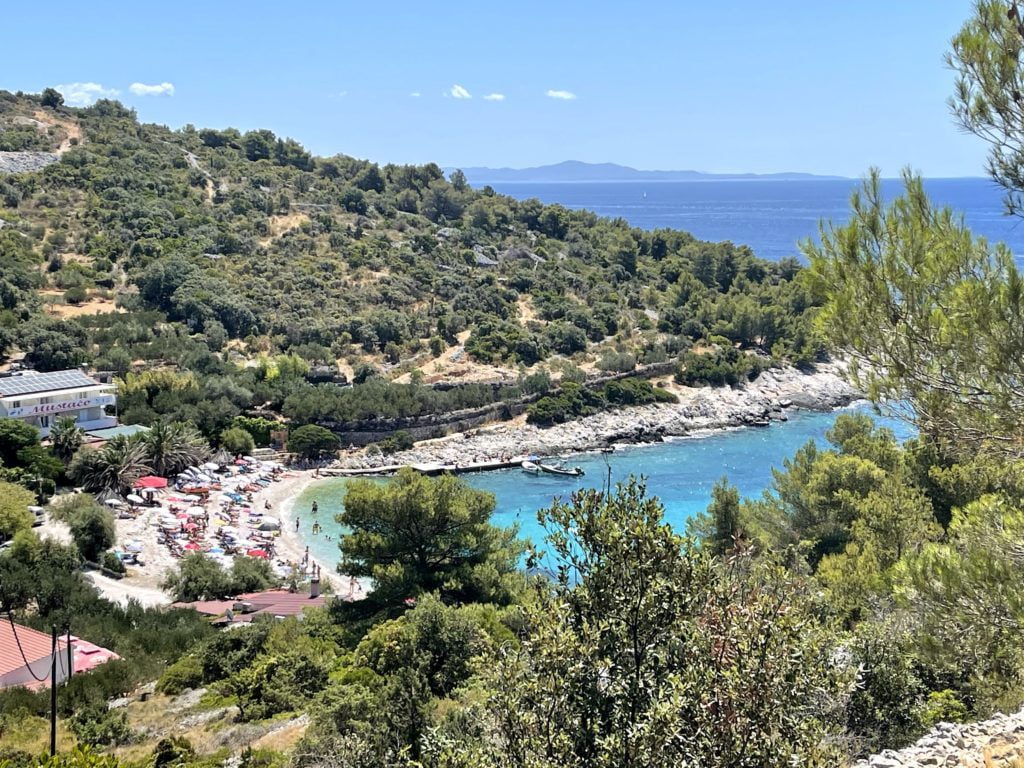
We booked a small-group sailing trip around the Pakleni Islands, and it ended up being one of the highlights of our entire two weeks in Croatia. The day was spent hopping between quiet coves, swimming in unreal turquoise water, and soaking up views that looked straight out of a postcard.
What we loved most was how laid-back the experience felt. It was a true escape from the bustle of Hvar Town and gave us a chance to slow down and just enjoy being on the water.
For travelers who want to combine island hopping with one of Croatia’s most famous natural sights, there’s also a full-day tour that includes the Blue Cave, known for the glowing blue light reflecting off its walls. This option is more fast-paced but incredibly photogenic, with several island stops for swimming and exploring.
We wrapped up the day with dinner at Dalmatino. Don’t miss their steak or truffle pasta, and definitely book in advance. This is one of those places that fills up quickly for a reason.
Optional Add-On:
The Blue Cave tour is another popular choice if you want dramatic scenery and don’t mind a fuller itinerary.
Day 4: Ferry to Korčula + Sunset Tapas
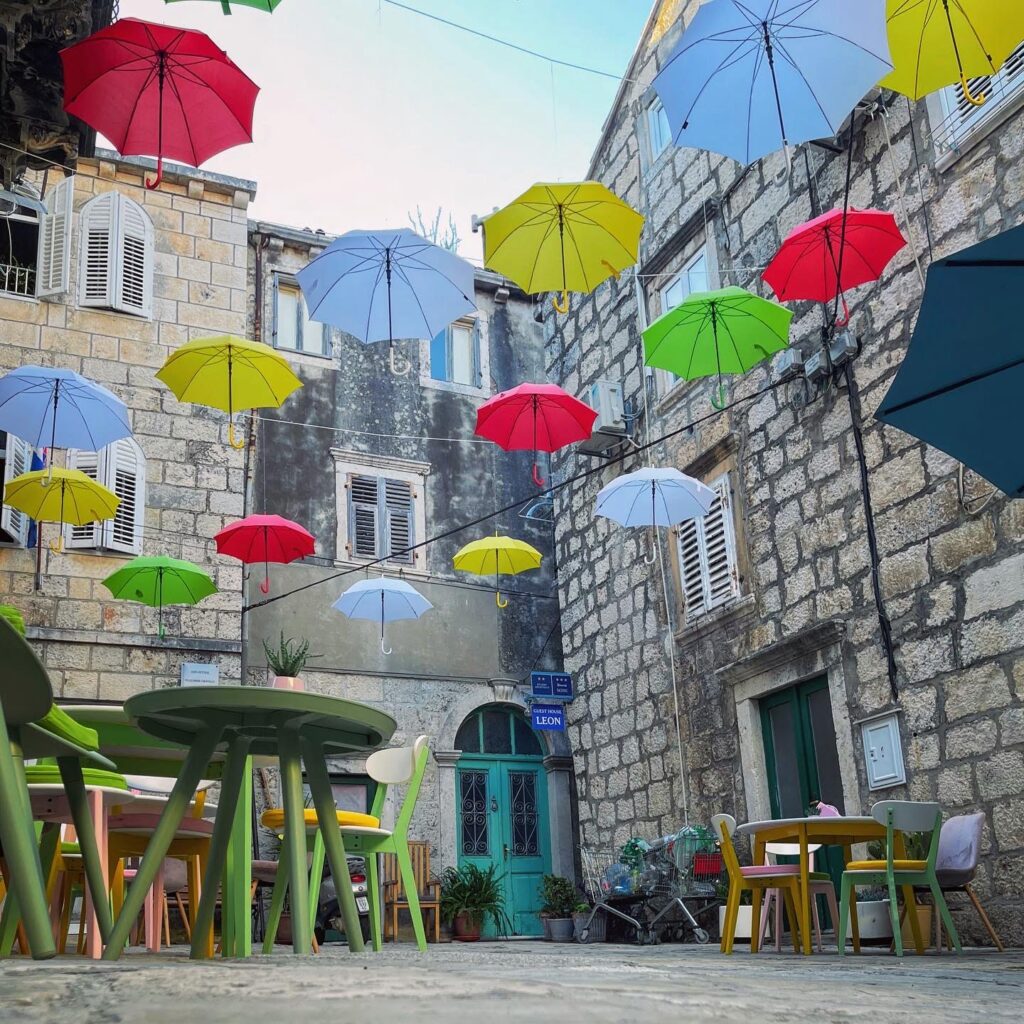
After leaving Hvar, we took the ferry to Korčula, a noticeably calmer and more relaxed island that often gets compared to a mini Dubrovnik, minus the crowds. With its medieval Old Town, olive groves, and breezy waterfront, Korčula immediately felt like a place where it was easy to slow down and settle in.
We checked into the Aminess Korčula Heritage Hotel, and it honestly felt like stepping into a fairytale. Sitting right at the edge of Old Town with sweeping sea views, the hotel blends vintage charm with modern comfort. We especially loved how close it was to everything, including the ferry dock, which made arrival day completely stress-free.
That evening, we headed to Lole Wine and Tapas Bar,, tucked into one of Korčula’s narrow stone alleyways. The setting is intimate and atmospheric, perfect for a relaxed first night. The menu focuses on creative small plates made with local ingredients, and the wine list highlights excellent regional selections.
Alternate Hotel Picks in Korčula:
- Hotel Korsal – Family-run, modern, and just steps from the beach
- Aminess Younique Hotel Adriatic – A stylish boutique option close to the town center
Whether you spend the evening wandering stone alleys, sipping white wine made from the island’s signature Grk grape, or simply watching the sunset from the waterfront, Korčula is the kind of place that quickly earns its spot on a Croatia itinerary.
⭐Don’t miss our full guide to two days in Korčula.
Day 5: Biking + Beaches in Korčula
To explore more of the island, we booked a private Korčula Gastro Bike Tour, and it ended up being both active and surprisingly fun. The route took us through the vineyards of Lumbarda, with stops for wine tastings and local snacks along the way.
A quick heads-up: the hills here are no joke, even for athletic travelers. The e-bikes included on this tour made a huge difference and allowed us to focus on enjoying the scenery rather than grinding through climbs. If you want a tougher workout, there are small-group wine tours on regular bikes, but I’d strongly recommend the e-bike option unless you’re very confident on hills.
We finished the day with a sunset swim in the sea, which was the perfect way to cool off and wind down after cycling.
Dinner Recommendation:
Filippi Restaurant is a great choice for an upscale seafood dinner with gorgeous views over the water and Old Town.
Day 6: Ferry to Dubrovnik + Wine and Oysters on the Pelješac Peninsula
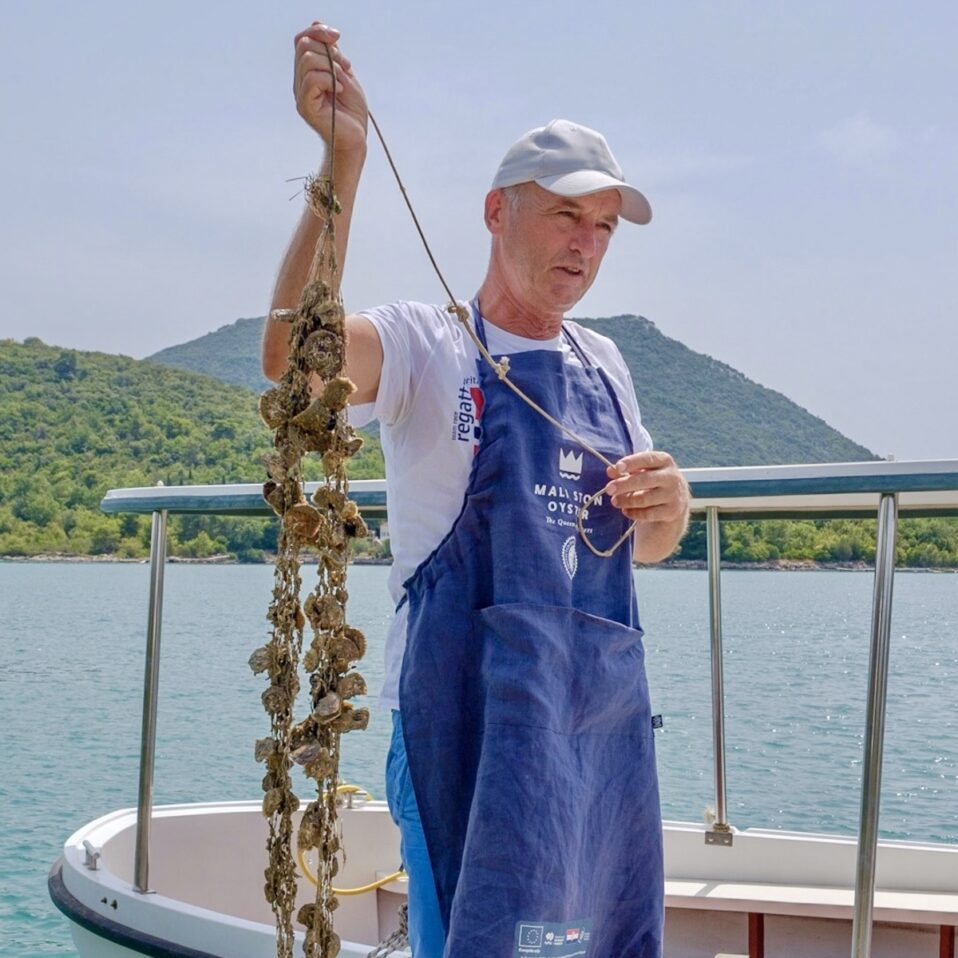

Travel days in Croatia don’t have to feel like lost time, and this was a perfect example. Instead of heading straight to Dubrovnik, we used a private transfer that allowed us to take scenic detours along the way.
Our first stops were two wineries on the Pelješac Peninsula, where we tasted bold Dingač reds in a stunning coastal setting. From there, we visited a floating oyster farm, where we ate oysters pulled straight from the sea and enjoyed them right on the water. It was easily one of the most memorable dining experiences of the entire trip and a highlight I still think about.
If you want to replicate this exact day, the easiest way is with a private transfer arranged by a travel advisor. When booking independently, most similar experiences are offered as day trips from Dubrovnik, either privately or in small groups.
Once in Dubrovnik, we checked in and spent the evening wandering through Old Town. Seeing the stone streets and fortified walls for the first time, especially in the early evening, is a magical introduction to the city.
Dinner Recommendation:
Lucin Kantun was creative, delicious, and tucked just far enough away from the busiest streets to feel relaxed.
Stay: Hotel Bellevue Dubrovnik (luxury), Villa Nobile (adults only, moderate), Hotel Excelsior (luxury family-friendly)
Day 7: Sea Kayaking + Dinner With Locals in Dubrovnik
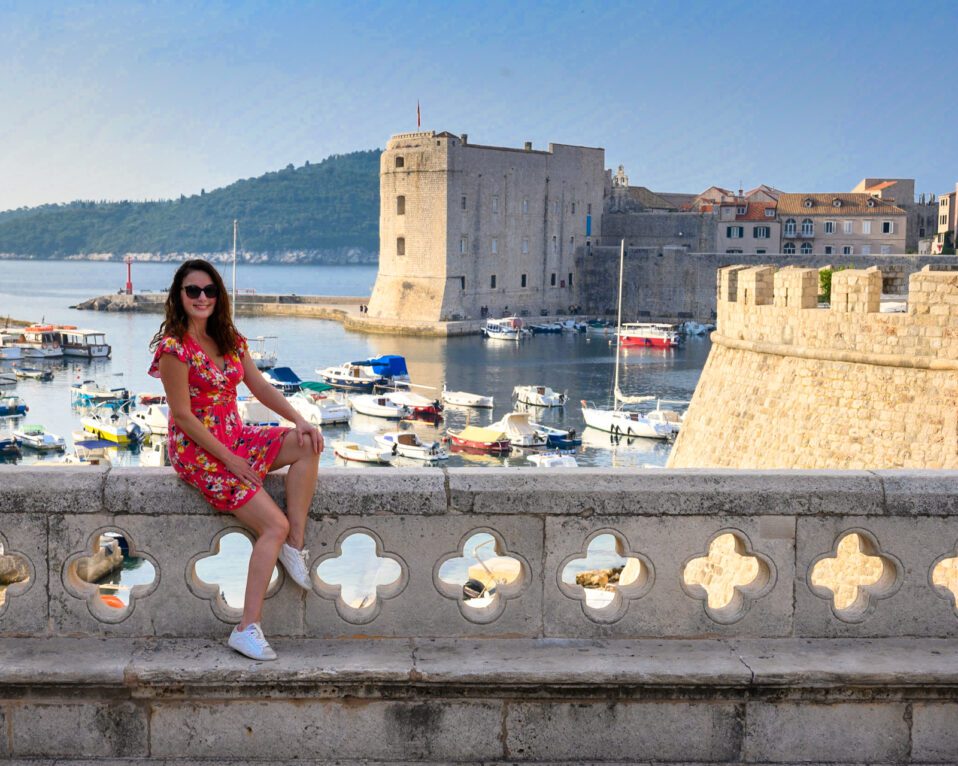
Today was all about choosing your own pace. For something active, Dubrovnik’s coastline is perfect for getting out on the water.
We booked a private sea kayaking tour to Lokrum Island, paddling beneath the city walls and stopping to swim in clear turquoise water. It was one of those experiences that gives you a completely different perspective on Dubrovnik and is well worth the effort.
For travelers looking for a longer adventure, there are also full-day options like the Elaphiti Islands kayak and bike tour, which combines multiple activities and gets you farther off the beaten path.
That evening, we had an authentic peka dinner cooked in a local’s home, and it was hands-down one of our favorite travel memories. Sitting down to a home-cooked meal, sharing rakija, and connecting with locals made the experience feel deeply personal and meaningful. If you’re curious about what peka is and why it’s so special, I’ve shared a full review of our experience separately.
Day 8: Bay of Kotor Day Trip (Montenegro)
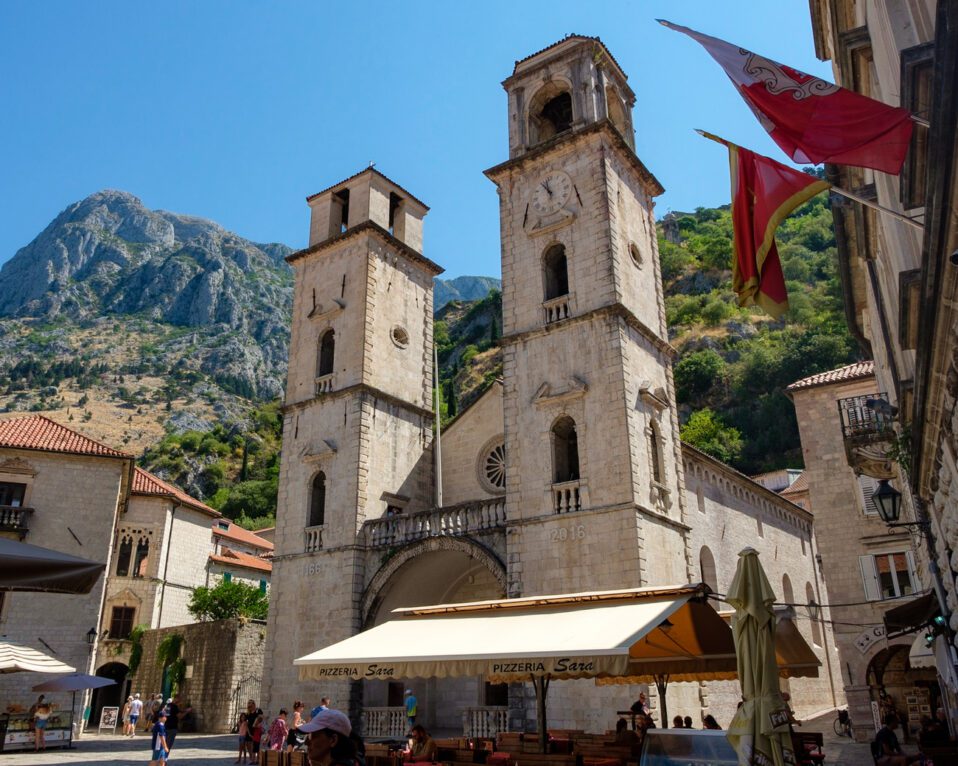
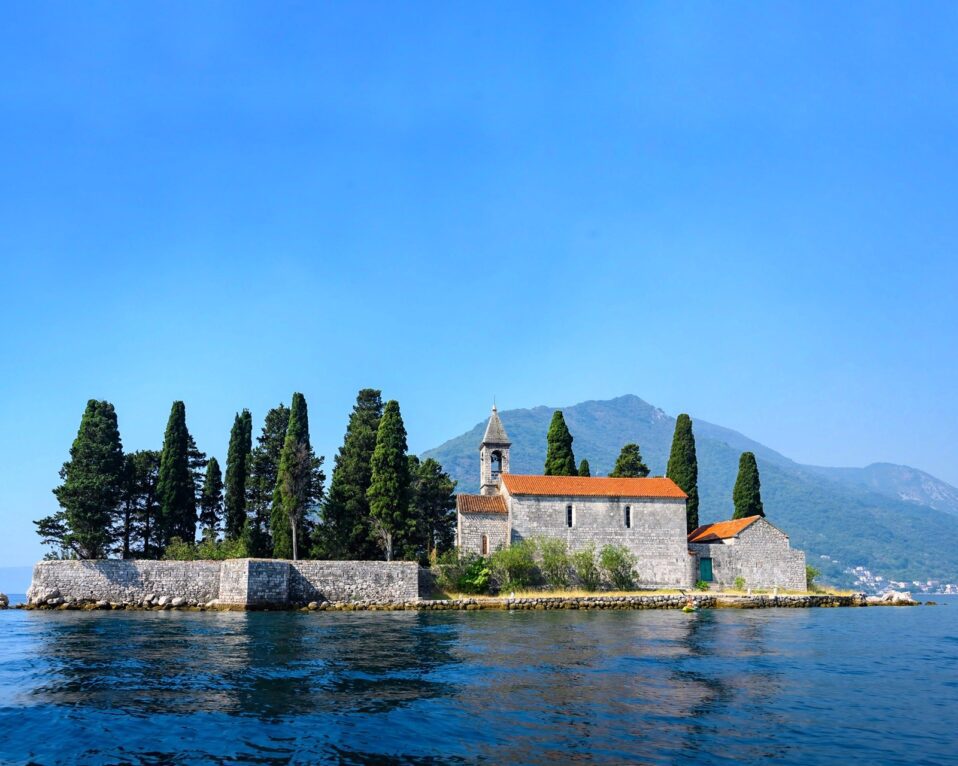
We stayed another night in Dubrovnik but crossed the border into Montenegro for a day trip, which ended up being well worth the effort. The drive itself is incredibly scenic, especially as you approach the Bay of Kotor, which feels almost fjord-like in parts.
Kotor’s Old Town is compact, atmospheric, and easy to explore in a few hours. The medieval architecture, winding stone streets, and dramatic mountain backdrop make it a standout stop, even on a tight timeline.
For dinner, we ate at Taj Mahal (yes, that’s actually the name), which was a surprisingly great introduction to Bosnian-style cuisine. The food was hearty, flavorful, and a nice change from coastal seafood after several days along the Dalmatian Coast.
Day 9: Mostar + Arrival in Split
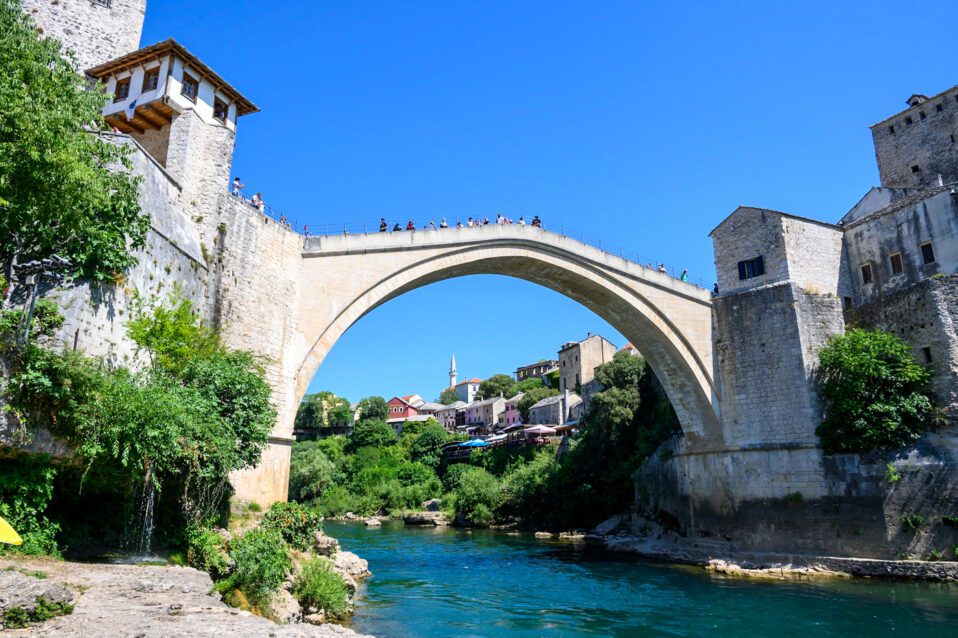
This was one of our longest travel days, but also one of the most memorable. On the way to Split, we stopped in Mostar for a private walking tour, which gave us important historical context and made the visit far more meaningful.
Seeing the Stari Most Bridge in person is just as powerful as it looks in photos. We had lunch at Urban Grill, which has an excellent view of the bridge. Watching local divers leap into the river below while enjoying local wine and generous portions of mixed meats was an experience in itself. One dish easily feeds two people.
A few honest tips from this stop:
- Mostar is extremely hot in summer. I was genuinely surprised that 100°F days are common, so plan accordingly.
- It’s also a great place for gift shopping, with many similar items to Dubrovnik at noticeably lower prices.
By late afternoon, we continued on to Split, where we checked into Heritage Hotel Antique Split, located right inside Diocletian’s Palace. Staying within the palace walls made it easy to explore in the evenings without feeling rushed.
Dinner that night was casual and fun at Bokamora, where we had trendy pizzas and cocktails to wind down after a long day.
Alternate Hotel Picks: Cornaro Hotel (moderate), Makarun Heritage (luxury family)
Day 10: Leisure Day in Split
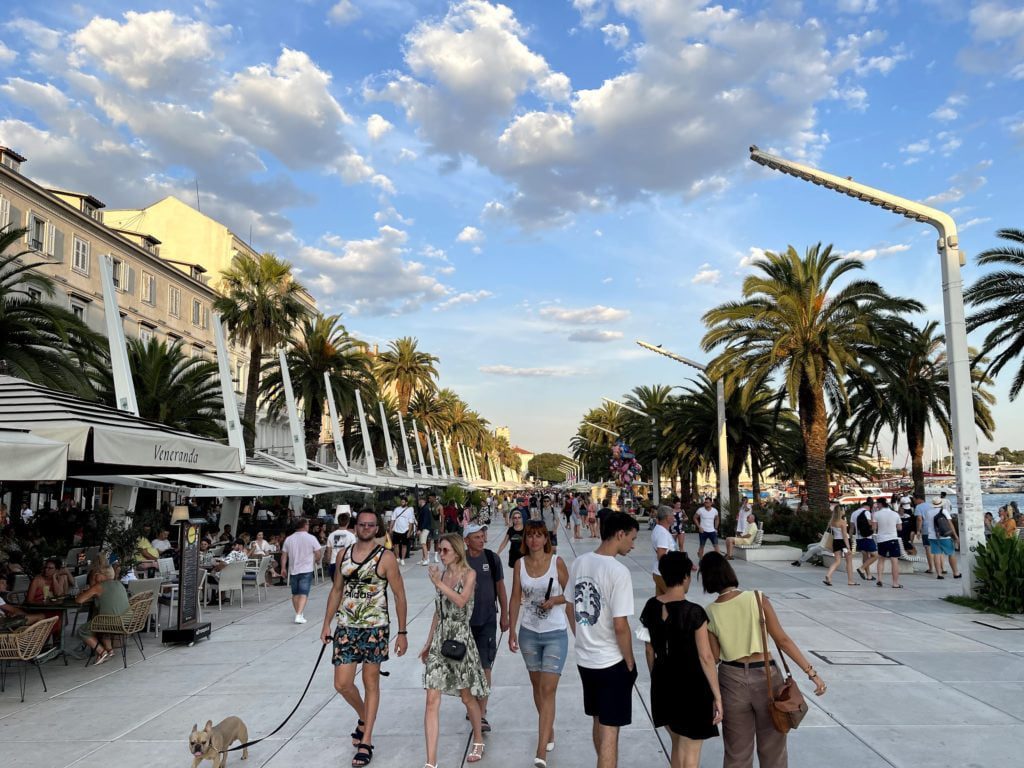
After several packed travel days, we intentionally kept this day slow. Split is a great place to catch your breath, and we appreciated having time to simply wander.
We explored local markets, spent time inside Diocletian’s Palace, and climbed the bell tower for panoramic views over the city and harbor. It’s a simple activity, but one that really helps you appreciate Split’s layout and setting.
Dinner at Bokeria was a highlight. The atmosphere was lively, the food was bold and flavorful, and the charcuterie was especially good. This was one of those meals that felt celebratory without being overly formal.
Day 11: Trogir + Winery Stop + Zadar (or Stay Near Plitvice)
After leaving Split, we stopped in Trogir for a walking tour, and it was a great way to break up the drive. The Old Town is compact, charming, and easy to explore in a short amount of time, making it a worthwhile stop without adding stress to the day.
From there, we continued on to Bibich Winery. The setting is undeniably beautiful, but I want to be honest here. While the wine itself was good, the experience felt a bit overhyped. Service was rushed, the outdoor seating was uncomfortably hot, and it didn’t quite live up to expectations. If you’re tight on time or traveling in peak summer, this is a stop you could skip without much regret.
That night, we stayed in Zadar, which ended up being one of the few places on this itinerary that didn’t really wow us. It’s known for its sea organ and sunsets, but in practice, it didn’t add much compared to other coastal cities on this route.
My honest recommendation:
If you’re following this itinerary, I strongly suggest staying closer to Plitvice Lakes instead of Zadar. Doing so allows for an early start the next morning and makes the Plitvice visit far more enjoyable.
Recommended Stay Near Plitvice:
Plitvica River House – A comfortable, convenient option that sets you up perfectly for the next day.
Day 12: Plitvice Lakes + Zagreb Arrival
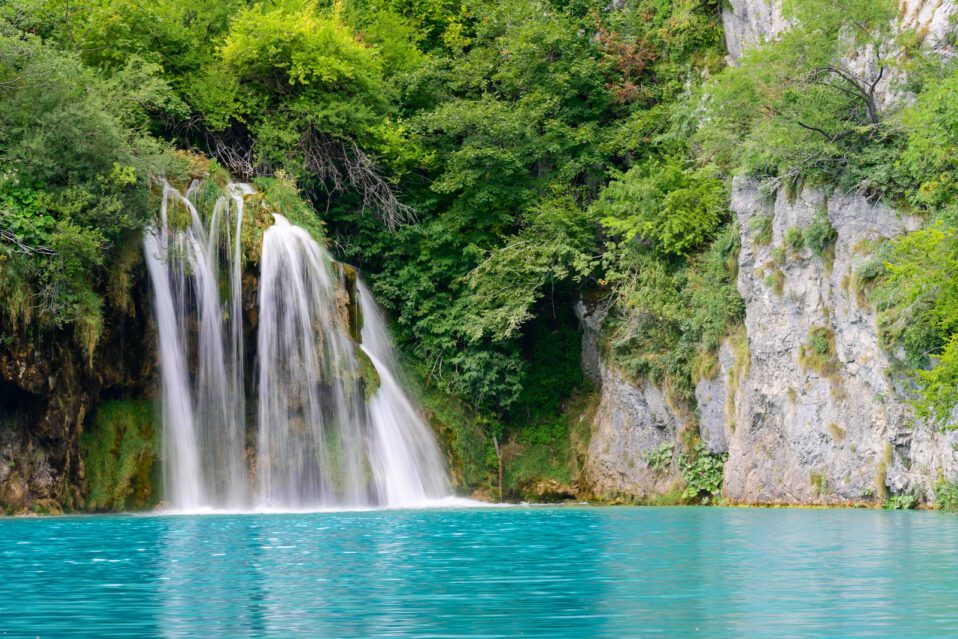
Plitvice Lakes National Park is absolutely worth including in a two-week Croatia itinerary, especially if you love nature. The key to enjoying it is timing. Arriving early, before the large tour buses roll in, makes a massive difference.
Once inside the park, you’ll walk along wooden footbridges that wind past cascading waterfalls and striking blue-green lakes. It’s beautiful, but it can feel crowded later in the day, which is why that early start is so important.
After visiting Plitvice, we continued on to Zagreb and checked into the Art’otel. Ending the trip in the capital worked surprisingly well and gave us a nice change of pace from the coast.
For dinner, we ate at Konoba Didov, which was a great introduction to traditional Croatian comfort food and a satisfying way to end a long travel day.
Stay: Esplanade Zagreb (luxury), Main Square Dream (family-friendly apartment)
Day 13: Zagreb Food Tour + Last Night in Croatia
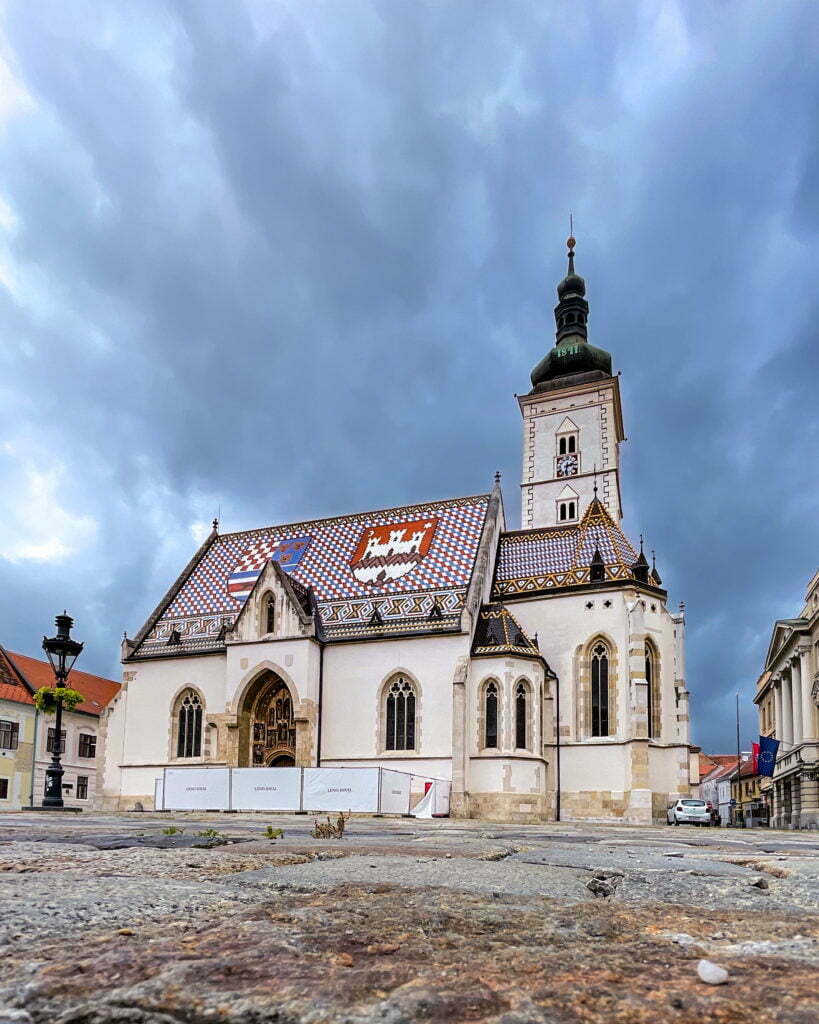
Zagreb doesn’t always get the same attention as Croatia’s coastal cities, but we found it to be a really pleasant surprise and a smart place to end the trip. After weeks of island hopping and historic towns, the capital felt relaxed, walkable, and refreshingly local.
One of the best ways to experience Zagreb is through food. We joined a Zagreb food tour, which was a fun and informative way to sample some of the heartier dishes the city is known for. Don’t miss La Struk famous for its štrukli. It’s a cheesy, comforting dish that’s often served on special occasions and quickly became one of our favorites. We also enjoyed tasting local wines at Vinoteka Bornstein, which has a cozy, atmospheric feel.
For our final dinner in Croatia, we headed to Mali Bar The creative small plates and casual-chic vibe made it a great place to reflect on the trip and enjoy one last memorable meal.
Day 14: Departure From Zagreb
After two incredible weeks, it was time to say goodbye to Croatia. Zagreb’s airport made for an easy departure, especially compared to coordinating flights from the islands or Dubrovnik, which is one reason this ending worked so well for us.
Final Thoughts on This 2-Week Croatia Itinerary
This 14-day Croatia itinerary covers the highlights while still leaving room for slower moments and unexpected favorites. From sailing around the Pakleni Islands and cycling through Korčula’s vineyards to tasting oysters straight from the sea and sharing a traditional peka dinner with locals, this trip struck a balance between iconic experiences and deeply personal ones.
Whether you follow this route exactly or use it as a starting point, Croatia rewards thoughtful planning. Travel times, ferry schedules, and seasonality matter more here than you might expect, but when the pieces come together, it’s an unforgettable destination.
Island Hopping in Croatia: How It Fits Into This Itinerary
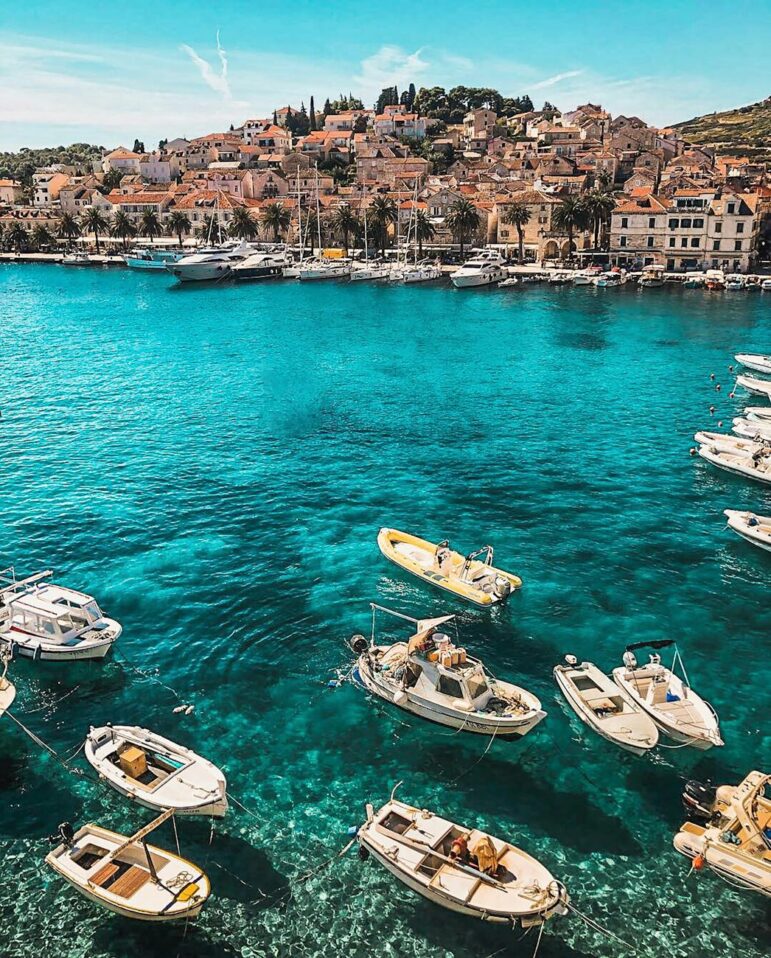
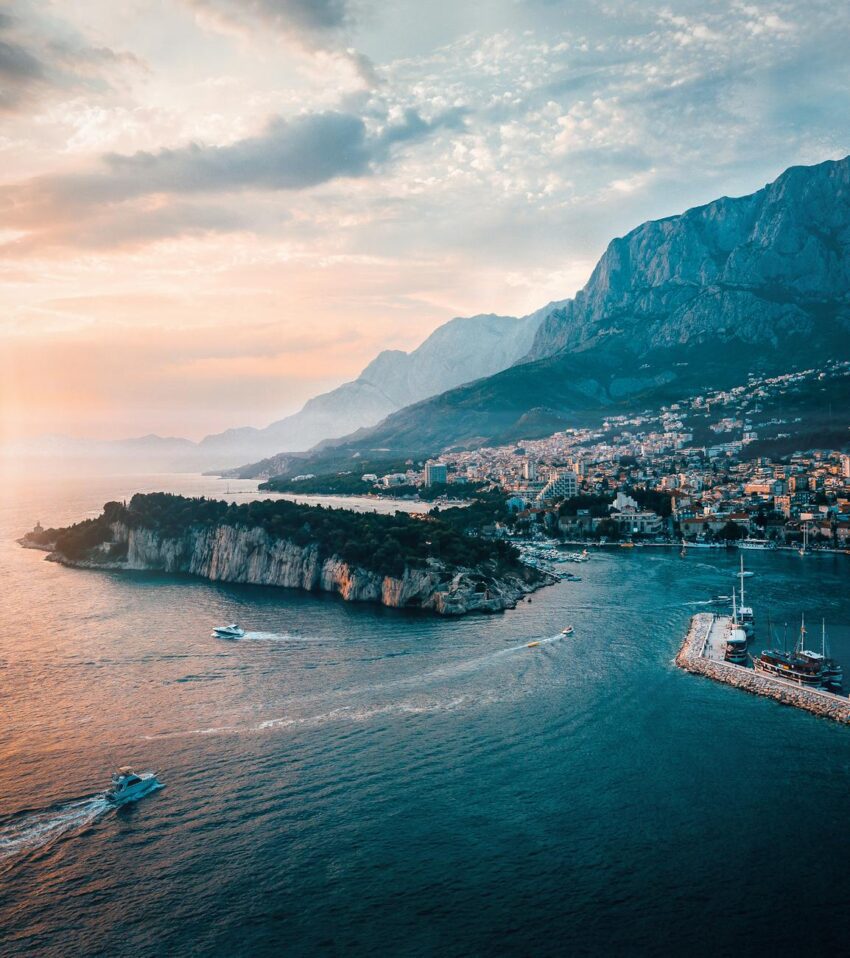
Island hopping is one of the highlights of traveling in Croatia, but choosing the right islands matters more than trying to see as many as possible. Ferry schedules, distances, and travel days can add up quickly, which is why this 2-week Croatia itinerary focuses on a small number of islands that are easy to connect and offer very different experiences.
For this route, we chose Hvar and Korčula intentionally.
- Hvar works well as an introduction to island life, with excellent ferry connections, sailing opportunities, beaches, and a lively Old Town that’s fun without being overwhelming.
- Korčula provides a contrast. It’s quieter, greener, and more relaxed, with vineyards, cycling routes, and a charming medieval center that rewards slower travel.
Together, these two islands offer variety without logistical stress, which is especially important when you’re balancing island time with cities like Dubrovnik and Split.
There are, of course, many other beautiful Croatian islands. Vis is known for its unspoiled feel and the famous Blue Cave, Brač for its beaches and windsurfing, and the Elaphiti Islands for easy day trips from Dubrovnik. These can be excellent additions if you have more time or want to swap out part of the route, but trying to fit too many islands into one trip often leads to rushed travel days.
If island hopping is a top priority, my biggest advice is to choose islands with good ferry connections and complementary vibes, rather than chasing every highlight. This itinerary does exactly that, allowing you to enjoy island life without constantly packing and unpacking.
Short on Time? How to Prioritize Croatia’s Best Experiences
If you don’t have the full two weeks to follow this itinerary, Croatia still delivers unforgettable experiences on a shorter timeline. Based on what we loved most from this trip, these are the experiences I’d prioritize if you’re working with less time or need to simplify your route.
Think of this as a way to pull the highlights from this itinerary rather than starting from scratch.
If you only choose one island experience
Sailing the Dalmatian Coast is the experience I’d keep. Whether it’s a small-group sailing trip around the Pakleni Islands from Hvar or a longer island-hopping day, getting out on the water is one of the best ways to experience Croatia’s coastline. Hidden coves, crystal-clear water, and time to swim and relax make this a standout even on a tight schedule.
If you’re short on time in Dubrovnik
Walking Dubrovnik’s City Walls is the one experience I wouldn’t skip. The views over the Adriatic and Old Town are incredible, and the walk gives you a real sense of the city’s history and scale. A guided tour is worth considering if you want more context without spending extra time planning.
If you’re skipping inland Croatia
If your trip is focused entirely on the coast and islands, Plitvice Lakes National Park is the inland experience I’d most strongly recommend keeping. The cascading waterfalls, wooden walkways, and vivid blue lakes are unlike anywhere else in the country. If you’re short on time, Go on a day tour from Split or a transfer tour between Zagreb and Split can make this visit much more efficient.
If food and wine are a priority
Wine tasting in Istria is an excellent add-on if you’re trimming island time or ending your trip inland. The region’s Malvasia and Teran wines, rolling vineyards, and medieval hill towns offer a completely different side of Croatia. Booking a wine tour is the easiest way to visit multiple wineries without worrying about logistics.
If you’re deciding what to keep and what to cut, prioritize experiences that give you a sense of place, not just another city stop. This itinerary was built with that balance in mind, and even a shorter version of it can feel incredibly rich.
Have More Than Two Weeks? Extending This Croatia Itinerary
This 2-week Croatia itinerary already includes day trips to Montenegro (Bay of Kotor) and Mostar in Bosnia and Herzegovina, which gives you a meaningful taste of neighboring countries without needing to change bases or add extra travel days.
If you have more than two weeks, Croatia still pairs beautifully with a few nearby destinations. These additions work best as true extensions to this itinerary, added either before you start or after you finish the route outlined above.
Slovenia
Slovenia is one of the easiest countries to combine with Croatia, especially if you’re ending your trip inland. From Zagreb, it’s a short drive to Ljubljana, a charming and walkable capital with a relaxed café culture, and Lake Bled, known for its fairy-tale island church and castle views. Slovenia works particularly well if you want to extend your trip without adding long travel days.
Montenegro (Extended Stay)
While this itinerary includes a day trip into Montenegro from Dubrovnik, travelers with extra time may want to return for a longer stay. Spending additional nights allows you to explore the Bay of Kotor at a slower pace, visit Perast, or venture farther along the coast without the pressure of crossing the border in a single day.
If you’re deciding whether to extend your trip, my general advice is to fully enjoy Croatia first, then add another country only if you have the time to do it without rushing. This itinerary is designed to feel complete on its own, with neighboring destinations as optional enhancements rather than must-dos.
2 Weeks in Croatia FAQ
Yes. Croatia felt very safe throughout our entire trip, including in major cities, on the islands, and while traveling between destinations. As with anywhere, normal travel awareness applies, but we were comfortable walking around day and night and using ferries and transfers.
For this 2-week Croatia itinerary, we used a mix of ferries, private transfers, and short drives. Ferries are reliable and easy for island hopping, while private transfers made longer travel days more efficient and allowed for scenic stops. Renting a car works well for inland areas, but most travelers do not need one for the entire trip.
U.S. citizens can visit Croatia visa-free for up to 90 days within the Schengen Area. Your passport should be valid for at least three months beyond your departure date. Travelers from the EU, UK, and Canada can also enter without a visa, but it’s always best to check current Schengen entry requirements before traveling.
The best time to visit Croatia is May, June, September, and early October. These shoulder months offer warm weather, fewer crowds, and better prices than peak summer. July and August are beautiful but busy, especially along the Dalmatian Coast and on popular islands.
For first-time visitors, a route that includes the Dalmatian Coast, one or two islands, and at least one historic city works best. Hvar, Korčula, Dubrovnik, Split, and Plitvice Lakes are all excellent choices and are included in this itinerary for a balanced first experience.
Yes. This is the exact route we followed, and it works very well as written. That said, Croatia is easy to customize. You can shorten stays, swap islands, or adjust pacing depending on your travel style. We worked with a travel agency with local expertise to help arrange transportation and logistics, which made the experience much smoother.
Yes, travel insurance is strongly recommended. It helps cover trip delays, cancellations, and unexpected medical issues. While Croatia has good healthcare, U.S. insurance typically does not apply abroad. Protect your trip with travel insurance from Insubuy.
Yes, and this itinerary already includes day trips to Mostar in Bosnia and Herzegovina and Montenegro from Dubrovnik. If you have more time, countries like Slovenia or a longer stay in Montenegro can be added as extensions, but this itinerary is designed to feel complete on its own.
Plan Your Own Croatia Vacation
If you’re planning your own trip, you may also find these helpful:
- Read more about our recommendations for Korčula or Hvar
- Learn what to expect from a traditional Croatian peka dinner
- Planning a family trip? Don’t miss our full guide to traveling Croatia with kids
- One Week in Croatia: The Perfect 7-Day Itinerary
Adventurous Tastes is reader-supported. I’ve included affiliate links in this post and may receive commissions for purchases made through links. For more information, please read our full disclaimer.
Pin for Later

Croatia is definitely on my list! Would love to see all the architecture in person
So many things to do in Croatia! I love beautiful nature, beaches, and seafood, so Croatia seems to be a perfect place for me to visit. 2 weeks appears a good length of the trip to explore Croatia.
Croatia is so beautiful!! So far I have only been to Dubrovnik and Plitvice Lakes (which are absolutely gorgeous and so worth the visit). Did not realize there is so much to see and do in Croatia – using this as inspiration to plan additional trips there!
How experiences can be different. We fell in love with Zadar on our first visit and found Split underwhelming. Dubrovnik and Zagreb are fantastic. Kotor adn Mostar are absolutely gorgeous. Plitvice lakes np is so beautiful. On your next visit Krka np is also a gem.
Croatia has been on my list. This is so helpful. I will put this on my list so that I can plan what areas to hit and restaurants to check out.