Last Updated on January 3, 2026 by Lindsey
Iceland is one of those destinations that looks intimidating on paper. The weather is unpredictable, distances are longer than they seem, and nearly every planning guide warns you how expensive it can be. I’ve now experienced Iceland two very different ways — once as an adults-only summer trip in July, driving and staying in hotels, and later with kids in May, traveling by campervan. That contrast made one thing very clear: Iceland works incredibly well for families if you plan it with flexibility in mind.
This guide isn’t an itinerary and it’s not a glossy highlight reel. It’s a practical, experience-based planning resource built on what actually worked for our family — and what I’d do again without hesitation. We self-drove both times, adjusted plans based on weather, and focused on experiences that kept everyone engaged without feeling rushed. If you’re considering Iceland with kids and want honest advice on timing, logistics, costs, and expectations, start here.
If you’re looking for a day-by-day breakdown of how we structured our campervan trip, you can jump to our Iceland with kids itinerary. But before you book flights, cars, or tours, this guide will help you decide whether Iceland makes sense for your family — and how to plan it in a way that feels adventurous rather than exhausting.
Not sure where to go on your next European family vacation? Discover our favorite European family destinations.
- Iceland With Kids: At a Glance
- Is Iceland a Good Destination for Families?
- Best Ages for Traveling Iceland With Kids
- When Is the Best Time to Visit Iceland With Kids?
- How Long Do You Need for an Iceland Family Vacation
- Getting Around Iceland With Kids
- Where to Stay in Iceland With Kids (Reykjavík Base vs Road Trip Lodging)
- How to Choose Accommodations in Iceland With Kids
- Is Iceland Expensive for Families? A Realistic Cost Breakdown
- Iceland Family Travel Safety & Driving Tips
- Iceland Hot Springs With Kids: What to Know
- What to Pack for Iceland With Kids
- Best Things to Do in Iceland With Kids
- Unforgettable Experiences to Book in Iceland With Kids
- Snorkeling Between Two Continents at Silfra (Ages 12+)
- Horseback Riding on Icelandic Horses (Great for Kids)
- Whale Watching (Best for Patient, Curious Kids)
- Northern Lights Tours (Not a Summer Activity)
- Golden Circle Day Trip (Easy Win From Reykjavík)
- Glacier Hikes (Ages 10+)
- Puffin Cruises (We Wish We’d Done This)
- Glacier Lagoon + Justin Bieber Canyon (A Must-See)
- Ice Caves (Ages 10+, Winter Only)
- Pro tip: If you’re traveling in peak season or with older kids, book these early — family-friendly time slots and small-group tours fill up fast.
- Looking for a Luxury, Fully Planned Iceland Family Trip?
- Iceland With Kids FAQ
- Pin for Later
- Keep Planning Your Iceland Adventure
- Plan More Family Adventures
Iceland With Kids: At a Glance
Short on time? This quick overview covers the most important planning takeaways.
- Best for: Families who enjoy road trips, nature, and flexible days
- Best ages: 6+ is easiest; tweens and teens thrive here
- Best time to go:
- May–June: Fewer crowds, long daylight
- July–August: Warmest weather, peak access
- September: Quieter, possible northern lights
- October–March: Northern lights and icy adventures
- Ideal trip length: 5–7 days
- Getting around: Self-driving or campervan for flexibility
- Biggest costs: Hotels and food
- Easy savings: Simple lunches + fewer restaurant meals
- Safety: Extremely safe; watch weather and natural hazards
- Planning tip: Stay flexible and let the landscape guide the trip
Is Iceland a Good Destination for Families?
Yes — Iceland is an excellent destination for families, especially those who enjoy road trips, nature, and seeing dramatic landscapes without complicated logistics. It’s clean, safe, and easy to navigate, with English widely spoken and infrastructure designed for independent travel. Once you’re on the road, Iceland feels refreshingly straightforward.
That said, Iceland is not a city-heavy destination and it’s not driven by food or attractions in the traditional sense. Most days revolve around waterfalls, glaciers, hot springs, and long stretches of scenic driving. For school-age kids, tweens, and teens, that’s often a huge win. For younger kids, it’s still doable, but pacing matters.
Having visited both in peak summer and shoulder season, I actually preferred traveling with kids in May. There were fewer crowds, better availability, and enough daylight to explore without the intensity of July’s nonstop tourism. The ability to drive yourself is key. Whether you choose a rental car with hotels or a campervan, self-driving allows you to adapt to weather changes, skip overcrowded stops, and linger where your kids are happiest. Families who prefer not to drive can still see highlights through small-group tours from Reykjavik, but you’ll sacrifice flexibility.
Best Ages for Traveling Iceland With Kids
Iceland is best suited to kids who can handle time in the car and enjoy being outdoors. In my experience, elementary-age kids through teens tend to thrive here. They’re old enough to appreciate the scale of the scenery, participate in glacier and boat tours, and stay engaged during longer driving days.
Traveling with kids versus adults also changed how we approached accommodations. On our adults-only July trip, hotels worked well and felt comfortable after full sightseeing days. With kids in May, the campervan was a game-changer. Even as someone who doesn’t normally camp, I found it surprisingly comfortable and incredibly practical. It allowed us to stop for lunch wherever we were, adjust plans on the fly, and avoid the stress and cost of hard-to-find family hotel rooms.
If you’re traveling with teens, Iceland really shines. Zodiac rides through glacier lagoons, horseback riding, and hot springs feel adventurous without being extreme, and many tours welcome older children. It’s one of the rare destinations where parents and kids are genuinely excited about the same experiences — which goes a long way on a family trip.
Traveling Iceland With Toddlers: What to Know
Iceland can work with toddlers, but it’s not the easiest or most natural fit and expectations matter. Long driving days, cold and windy weather, and limited indoor attractions mean this is a destination best suited to families who are comfortable spending a lot of time outdoors.
One perk is that many of the most beautiful sites are easily accessible by car and short walk, so it is possible to hit the highlights of the Golden Circle without any strenuous activity. For example, Thingvellir, Geysir, and Gulfoss are all easily accessible.
Families who travel slowly and prioritize flexibility can still have a great experience. Shorter days and fewer stops tend to work better than ambitious road trips. Warm layers, easy toddler-friendly walks, and regular breaks are key. If your toddler does well with car time and outdoor exploration, Iceland is absolutely doable. Just plan for a gentler pace and build in more downtime than you would with older kids.
When Is the Best Time to Visit Iceland With Kids?
The best time to visit Iceland with kids really depends on what kind of experience you want and how flexible you’re willing to be with weather, daylight, and plans. I’ve now seen Iceland two very different ways: once in July on an adults-only trip and again in May traveling with kids. Both were fantastic, but they felt like completely different destinations.
Summer: June–August (Best for Road Trips and Maximum Flexibility)
Summer is peak season for a reason. The weather is milder, nearly all roads are open, and the long daylight hours make family travel much easier. In July, the midnight sun means you can sightsee late into the evening without feeling rushed, which works especially well with older kids and teens.
Summer is ideal if you want to:
- Self-drive the Ring Road or South Coast
- Do outdoor activities like hiking, horseback riding, and boat tours
- Avoid winter driving conditions
The tradeoff is cost and planning pressure. Hotels book far in advance, prices spike, and popular stops can feel busy by mid-morning. That said, even in July we didn’t find Iceland unbearably crowded, especially when we stayed en route and adjusted timing to avoid peak hours. If you’re traveling in summer with kids, booking accommodations, rental cars, and major tours early is essential.
Pro tip: Midnight sun means you can skip getting acclimated to the time if your trip is flexible and relatively short. We stayed up late, hiking at close to midnight and didn’t have to deal with jetlag.
Late Spring: May (My Favorite With Kids)
Late spring ended up being my favorite time to visit Iceland with kids. In May, we had fewer crowds, better availability, and lower prices, while still enjoying long daylight hours and open roads. There was enough light to explore comfortably, but not the intensity of peak summer tourism.
Traveling by campervan in May gave us flexibility to adjust plans around weather and energy levels, which made the trip feel far less stressful. You do need to pack warm layers and be prepared for quickly changing conditions, but for families who want a quieter experience without sacrificing accessibility, May hits a sweet spot.
Pro tip: Some campgrounds weren’t open yet for the season when we went over US Memorial Day. Research ahead to be sure your preferred locations are open.
Early Fall: September (A Shoulder Season Tradeoff)
September can be an appealing option for families, but it comes with tradeoffs. Daylight hours start to shorten, temperatures cool, and weather becomes less predictable, but crowds drop and prices often ease slightly compared to summer.
September works best if you:
- Want a quieter experience than summer
- Are comfortable with cooler weather
- Don’t mind shorter sightseeing days
It’s also one of the earliest months when northern lights become possible, though sightings are never guaranteed. For families with flexible expectations, September can offer a nice balance between summer access and fall atmosphere.
Winter: October–March (Northern Lights and Icy Adventures)
Winter trips to Iceland are a completely different experience. These months are best suited for families specifically interested in:
- Northern lights (typically visible from late September through March)
- Ice caves, glaciers, and winter landscapes
Short daylight hours, icy roads, and weather disruptions mean winter travel is better for older kids and very flexible itineraries. Many families choose to base themselves in Reykjavík and book guided tours rather than self-drive during this season.
So, When Should You Go?
- Best overall for families: May–July
- Best for road trips: June–August
- Best value + fewer crowds: May or September
- Best for northern lights and ice caves: October–March
If you’re deciding between seasons, May offers one of the best balances of cost, crowds, and family-friendly pacing, especially if you plan to drive yourself or travel by campervan. Summer is unbeatable for access and flexibility, while winter delivers unforgettable icy adventures — as long as you plan around the limitations.
How Long Do You Need for an Iceland Family Vacation
Iceland looks small on a map, but distances add up quickly — especially when you’re traveling with kids and want time to actually enjoy each stop. While it’s possible to see highlights in a short trip, Iceland rewards families who give it a little breathing room.
For most families, 5 to 7 days is the sweet spot. That’s enough time to experience waterfalls, glaciers, hot springs, and a few quieter areas without spending every day in the car. Shorter trips can work, but they require more selectivity.
- 3–4 days: Best for a Reykjavik-based trip with guided day tours to the Golden Circle or South Coast. This works well if you don’t want to drive long distances or are traveling with younger kids.
- 5–7 days: Ideal for a family road trip. This allows you to explore beyond the Golden Circle, move at a reasonable pace, and adjust plans for weather or energy levels.
- 8–10+ days: Great if you want to fully circle the Ring Road or add slower travel in places like the Snæfellsnes Peninsula.
On our campervan trip with kids, four nights felt fast but manageable because we stayed flexible and didn’t try to see everything. If it’s your first visit to Iceland with kids, err on the side of fewer stops and more time at each one.
Getting Around Iceland With Kids
Getting around Iceland with kids is refreshingly straightforward. Roads are well maintained, signage is clear, and driving rules are easy to follow. The biggest decision isn’t whether to drive — it’s how.
For families who want flexibility, self-driving is hands-down the best option. Renting a car or camper allows you to start early, stop often, and pivot when weather or crowds change plans. This matters more in Iceland than almost anywhere else I’ve traveled.
- Rental car + hotels works well for families who want more comfort at night and plan to base themselves in specific areas.
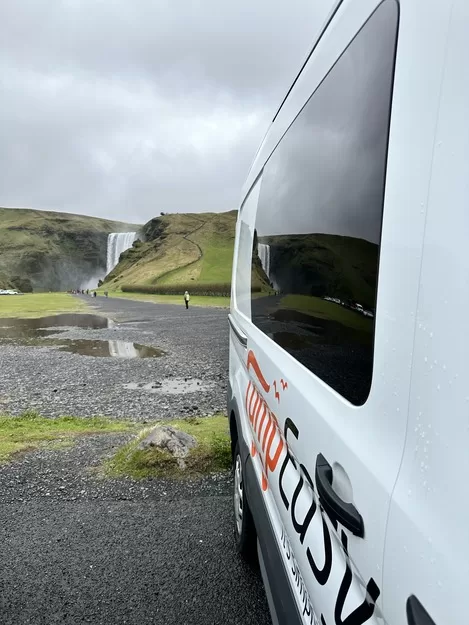
- Campervan travel is incredibly family-friendly, even if you don’t normally camp. With kids, it simplified meals, eliminated packing and unpacking, and made it easy to stop when someone was tired or hungry.
We’ve done Iceland both ways, and with kids, the campervan made the trip feel easier and more adventurous at the same time. You’ll still want to book vehicles early, especially in late spring and summer, as availability tightens quickly.
If you’re not comfortable driving, small-group tours from Reykjavik are a solid alternative. Day trips to places like the Golden Circle, glacier lagoons, and waterfalls can be booked in advance and remove the stress of navigation — just expect a more structured pace.
Where to Stay in Iceland With Kids (Reykjavík Base vs Road Trip Lodging)
Where you stay in Iceland matters more than which hotel you pick. Family travel here works best when accommodations support your route, not the other way around.
Iceland isn’t a destination where you pick one perfect hotel and plan everything around it. Distances are longer than they look, weather can shift plans quickly, and backtracking eats into sightseeing time fast. For families, the smartest approach is choosing lodging that keeps driving days reasonable and nights simple.
Here’s how to think about it:
Option 1: Base Yourself in Reykjavík and Take Day Tours
Many of Iceland’s most famous sights, including the Golden Circle, South Coast waterfalls, and even glacier lagoons, can be visited on full-day tours that depart from Reykjavík. These tours handle transportation, timing, and navigation, which can be appealing if you’re short on time, uncomfortable driving in changing weather, or traveling with younger kids who do better with a more structured day.
This approach works particularly well if:
- You have 3–4 days total in Iceland
- You want to avoid long drives and planning logistics
- You’re visiting in winter or shoulder season and prefer not to self-drive
- You plan to stay in one hotel and keep nights simple
The tradeoff is time. Many day tours involve early departures and long days, with several hours spent driving back to Reykjavík at night. You’ll also see Iceland at a faster, more standardized pace, often with limited flexibility if weather or crowds shift plans.
👉Let someone do all the work for you with this Iceland 3-Day Tour with Golden Circle and South Coast or a 5-star rated 4, 5, 6 or 7-Day Small-Group Ring Road Tour from Reykjavik
Option 2: Stay En Route for a Road Trip-Style Itinerary
If you’re planning to self-drive, staying en route rather than returning to Reykjavík each night makes Iceland feel dramatically easier with kids. Distances are longer than they look, and backtracking can quickly turn great days into exhausting ones.
For our family, we preferred to self-drive and stay en route rather than returning to Reykjavík each night. Sleeping closer to the sights meant less backtracking, more time exploring waterfalls and landscapes at quieter hours, and the freedom to adjust plans when the weather changed, which it often did. It made the trip feel more immersive and far less rushed. For families traveling with kids, that flexibility is huge.
Your lodging choices typically fall into three categories:
- Hotels offer comfort and predictability, especially in larger towns, but family-sized rooms are limited and expensive in peak season.
- Guesthouses can be more relaxed and better sized for families, often at a slightly lower cost if booked early.
- Campervans combine transportation and lodging, simplify meals, and add maximum flexibility. Even for families who don’t normally camp, this option works surprisingly well in Iceland.
What to Look for in Family-Friendly Stays
Instead of fixating on specific properties, prioritize:
- Location along your driving route
- Parking and easy access (especially after long days)
- Family room configurations or flexible sleeping options
- Proximity to grocery stores or simple dining
If you want to see how this plays out in practice, I break down exactly where we stayed each night — with hotel, guesthouse, and camper-friendly options — in our Iceland with kids itinerary, which shows how to structure lodging without overpaying or overplanning.
The goal isn’t finding the “best” hotel in Iceland. It’s choosing places that support a smooth, flexible trip, and let Iceland itself be the highlight.
How to Choose Accommodations in Iceland With Kids
Choosing accommodations in Iceland is less about finding the perfect hotel and more about supporting a smooth route, especially when traveling with kids.
Family-sized rooms are limited, prices rise quickly in peak season, and backtracking can turn reasonable days into exhausting ones. That’s why lodging decisions work best when they’re tied to where you’ll be driving, not just where you want to sleep.
In general:
- Hotels make the most sense in Reykjavík and larger towns, especially at the beginning or end of a trip.
- Guesthouses can be a more relaxed, sometimes better-sized option for families if booked early.
- Campervans offer the most flexibility and can significantly reduce costs by combining lodging and transportation.
Instead of searching endlessly for the “best” place to stay, focus on location along your route, easy parking, and proximity to groceries or casual food. That mindset matters far more than amenities in Iceland.
For a fully worked example, including exactly where we stayed each night and why, see our Iceland with kids itinerary. In it, accommodations are matched to each day’s driving plan.
Is Iceland Expensive for Families? A Realistic Cost Breakdown
Yes, Iceland is expensive, but it’s also fairly predictable. Once you understand where the money actually goes, it becomes much easier to plan and control costs, especially when traveling with kids.
For a family of four, here’s what you can realistically expect to spend, based on current pricing and our experience traveling independently.
Transportation
- Car rental: $90–$160 per day in shoulder season; $180+ per day in summer
- Campervan rental: $180–$300+ per day depending on size, season, and insurance
Accommodations
- Hotels (3–4 star, family of four): In peak summer, well-reviewed hotels in Reykjavik that can accommodate four people often total $400–$700+ per night for family-friendly rooms.
- South Coast hotels (e.g., Vík and nearby): South Coast (e.g., Vík or surrounding area):
For a typical family-friendly hotel room in July, the nightly rate we observed was around $700–$800+, with some options even higher. - Campgrounds: $20–$40 per night total for a family
Food
- Casual meals out (pizza, burgers, pubs):
Expect $25–$35 USD per adult entrée at casual sit-down spots. For example, pizzas at Ölverk Pizza & Brewery currently run about $21–$28 USD, and a burger at KEX in Reykjavik was around $29 USD at current exchange rates. - Groceries:
Budget $120–$180 for several days of breakfasts, lunches, and snacks, which makes a significant difference for families.
Tours and Experiences
- Guided activities: Often upwards of $100 per person for experiences like glacier tours, zodiac boat rides, or horseback riding. Here are some of our favorite Iceland tours. For example, many horseback riding tours are $130+ per person while whale watching is typically $90+.
Where Iceland really gets families is accommodations and food. Eating every meal out adds up quickly, and family-sized hotel rooms are both limited and expensive, especially in summer. That’s why we leaned heavily on grocery stores, simple lunches, and kid-friendly dinners, and why traveling by campervan ended up saving us money overall while also making the trip easier.
Fuel prices are high, but distances between major stops aren’t as long as they look, so gas costs were manageable. Entrance fees for natural sights are minimal, which helps offset other expenses.
The good news is that Iceland delivers real value. You’re paying for access to landscapes and experiences that feel genuinely unique, not theme-park versions of nature — and with a bit of planning, it’s a destination families can absolutely make work. With a bit of planning, Iceland is absolutely doable for families — just not a destination to wing without a budget.
How We Saved Money Traveling Iceland With Kids
Iceland rewards families who plan just a little differently. The biggest cost savings on our trip came from how we traveled, not from skipping experiences.
The single biggest decision was choosing a campervan instead of hotels. Family hotel rooms in Iceland are not only expensive, they’re also surprisingly small and limited in availability. Traveling by camper allowed us to combine transportation and accommodations into one cost and eliminated the need to pack and unpack every night. It also gave us flexibility to adjust plans based on weather or energy levels, which was especially helpful on our Iceland with kids campervan itinerary, where plans shifted more than once due to crowds and conditions.
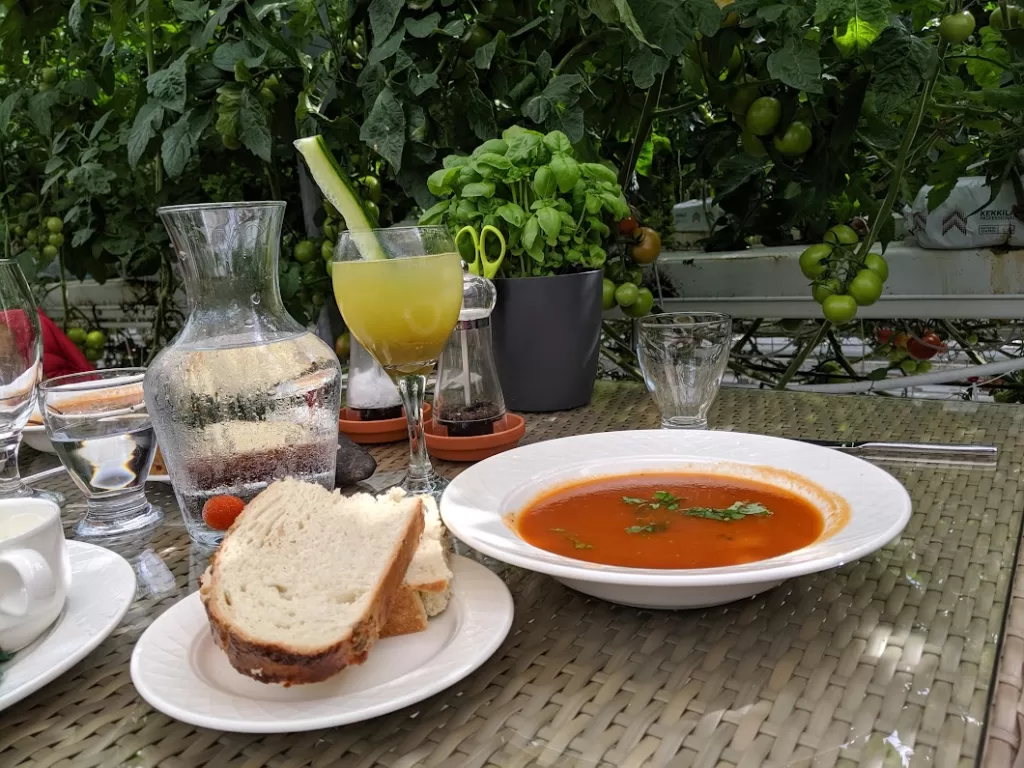
Food was the next major savings. We made our own lunches most days, usually simple sandwiches, which was both the easiest and the cheapest option while traveling with kids. Grocery stores were easy to work into driving days, and having familiar food on hand kept everyone happier. When we did eat out, we focused on meals we knew would work for kids — soups, pizza, and burgers — including places like Friðheimar, where the Icelandic tomato soup became a favorite after a cold day outside. Grocery stops were also the best place to stock up on snacks and souvenirs like Icelandic licorice, which is fun to try and easy to bring home.
Those two choices alone — a campervan and simple lunches — made Iceland feel far more manageable financially and removed a lot of day-to-day stress. Instead of worrying about reservations or rushing between stops, we could focus on enjoying the landscapes and experiences that make Iceland special.

Iceland Family Travel Safety & Driving Tips
Iceland is one of the safest countries we’ve ever traveled to with kids, but it does require a different kind of awareness. Most safety concerns aren’t about crime or infrastructure — they’re about nature, weather, and conditions changing quickly.
Driving Safely in Iceland With Kids
If you’re used to road trips, driving in Iceland will feel manageable. Roads are well maintained, signage is clear, and traffic outside Reykjavik is light. The key difference is how quickly weather can shift. Wind, rain, and fog can roll in fast, so it’s important to build flexibility into your plans and avoid rigid schedules.
We checked road and weather conditions each morning and adjusted our route when needed. Long driving days are common, but breaks are easy to work in thanks to frequent scenic stops. Gravel roads do exist, but you can avoid most of them by sticking to major routes. A standard rental car or campervan is perfectly adequate for most family itineraries.
Seatbelt laws are strictly enforced, and car seats are required just as they are at home. Fuel stations are widely spaced in rural areas, so topping up whenever you have the chance helps avoid stress.
Staying Safe Around Waterfalls, Beaches, and Glaciers
Iceland’s landscapes are stunning, but they’re not curated or fenced the way many parks are elsewhere. Waterfalls don’t have guardrails, waves at black sand beaches are unpredictable, and glaciers are constantly shifting. We kept kids close near edges, avoided climbing on wet rocks, and followed posted warnings without exception.
At Reynisfjara beach, sneaker waves are a real hazard. We stayed well back from the water and treated it as a viewing experience, not a play space. For glacier activities, guided tours are essential — never attempt to explore glaciers independently with kids.
Iceland Hot Springs With Kids: What to Know
Hot springs are one of Iceland’s highlights, even if — like us — you’re hesitant at first. The biggest mental hurdle for our family wasn’t the heat or the cold, but the mandatory showering rules. Public nudity is a normal part of the Icelandic hot spring experience, and my kids (and honestly, me) were pretty skittish about the idea.
That said, I really wanted the experience, so I decided to push past the discomfort — and I’m so glad I did. We chose Krauma because it fit easily into our route and schedule, and it turned out to be a perfect first hot spring with kids. It was calm, well organized, and not overly crowded when we visited, which made everything feel far less intimidating.
I’ll be honest: I bent the rules a little. I let my kids shower quickly in their bathing suits, while I did a very fast full shower myself in the relatively empty changing area. No one batted an eye, and the staff were relaxed and welcoming. Once we were in the pools, all the nerves disappeared. Soaking in the warm water after a cold, windy day was incredible, and trying (and failing) to last more than a second in the cold pools became a funny family challenge.
If public showers are giving you pause, you’re not alone. Choose a quieter hot spring, go at an off-peak time, and remind yourself that everyone there is focused on their own experience, not watching yours. With a bit of flexibility and an open mind, hot springs can easily become one of the most memorable parts of traveling Iceland with kids.
Is the Blue Lagoon Worth It With Kids?
This is one of the most common questions families ask when planning Iceland with kids, and the honest answer is: it depends on your itinerary and priorities.
The Blue Lagoon is undeniably unique. The milky blue water, lava rock setting, and spa-like facilities make it a memorable experience, and many travelers absolutely love it. It’s also very convenient. Located near the airport and Reykjavik, it’s an easy add-on if you’re short on time or not venturing far from the capital. One thing that surprises a lot of people (and gave me pause at first) is that the Blue Lagoon isn’t a natural hot spring. The water comes from a nearby geothermal power plant, and its milky blue color comes from silica and minerals in the geothermal seawater.
It’s also expensive and heavily visited. For families spending more time on the road, there are excellent alternatives throughout Iceland that offer a more relaxed, less crowded experience at a lower cost. We chose to skip the Blue Lagoon and instead visited Krauma, which worked beautifully for our family. It was calmer, more affordable, and felt easier with kids after cold, windy sightseeing days.
If you’re doing a short trip based in Reykjavik, or want a single, polished hot spring experience without driving far, the Blue Lagoon can be worth it. If you’re road tripping or traveling with kids who don’t need the “iconic” factor, quieter hot springs across the country often provide better value and a more enjoyable experience.
There’s no wrong choice, just different tradeoffs. The key is matching the experience to your trip style, not forcing it because it’s famous.
👉 Bundle a visit to the Blue Lagoon with additional sightseeing with this Golden Circle, Crater & Blue Lagoon Minibus Tour or if you have your own transportation, you can just book a Blue Lagoon entry ticket.
What to Pack for Iceland With Kids
Packing for Iceland with kids is less about specialty gear and more about layers, waterproofing, and flexibility. Weather can change quickly, even in summer, and being properly dressed makes the difference between a magical day and a miserable one.
Clothing Essentials for Kids (and Adults)
- Waterproof jacket and pants
This is non-negotiable. Rain, mist from waterfalls, and wind are constant companions. - Warm layers
Think fleece or lightweight down, even in May or July. We layered daily. - Thermal base layers
Especially helpful for kids who get cold easily. - Comfortable walking shoes
Waterproof hiking shoes or sneakers with good grip work best. - Extra socks
Wet feet happen. Pack more than you think you need. - Hats and gloves
Wind can be biting, even on sunny days. - Swimsuits
Required for hot springs, even if you’re unsure you’ll go.
Campervan and Road Trip Must-Haves
- Sleep masks
The midnight sun is real, especially in late spring and summer. - Reusable water bottles
Iceland’s tap water is excellent. - Simple snacks from home
Familiar food helps on long drives and saves money. - Peanut butter or favorite spreads
Grocery stores don’t always carry kid favorites. - Small daypack
Useful for short hikes and waterfall stops.
Nice-to-Have Extras
- Binoculars for spotting birds and seals
- Quick-dry towels for hot springs and camper life
- Portable charger for long driving days
You don’t need specialized gear or expensive equipment to enjoy Iceland with kids. If everyone stays dry and warm, the rest of the trip falls into place — and Iceland does the rest.
Best Things to Do in Iceland With Kids
Iceland is one of those rare destinations where the main attractions don’t feel like attractions at all. The experiences that work best with kids are simple, outdoors-focused, and naturally spaced along the drive, which makes them easy to build into a family road trip without constant planning.
Chase Waterfalls (No Hiking Required)
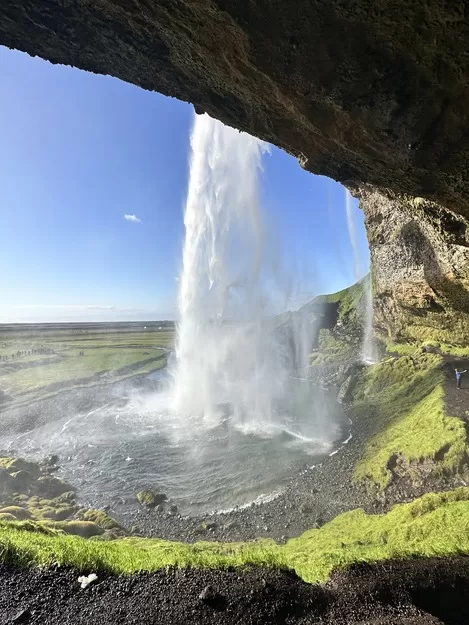
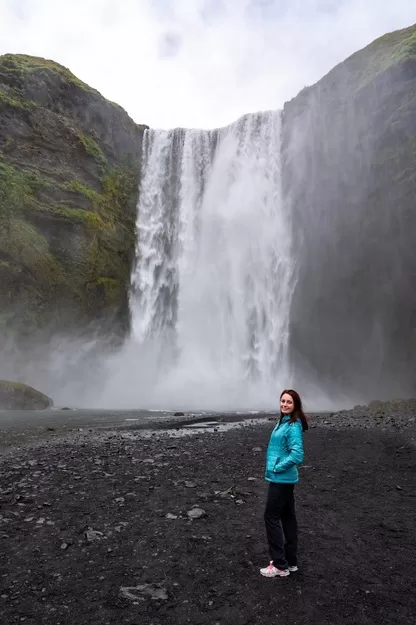
Waterfalls are everywhere in Iceland, and many require little to no hiking, which makes them perfect for kids. Stops like Seljalandfoss, Skógafoss, and Kirkjufellsfoss deliver instant wow factor without long walks or complicated logistics. Just be prepared for mist and wind — waterproof layers matter here.
Soak in Hot Springs
Hot springs are one of Iceland’s most unique family experiences. Not all pools are ideal for kids, but quieter spots with temperature variation are far more comfortable than crowded tourist pools. Hot springs are a great way to warm up after cold, blustery days and give kids a break from driving.
Explore Glaciers and Ice Lagoons
Seeing glaciers up close is unforgettable for kids. Guided zodiac boat tours in places like Jökulsárlón Glacier Lagoon are thrilling without being scary, and guides do a great job explaining what kids are seeing. These experiences also help kids understand how quickly landscapes are changing, which adds depth to the trip.
Visit Black Sand Beaches (From a Distance)
Reynisfjara’s black sand beach feels otherworldly, but it’s best approached as a viewing experience. Kids are fascinated by the basalt columns and crashing waves, and it’s a great opportunity to talk about ocean safety and respecting nature.
Try Horseback Riding
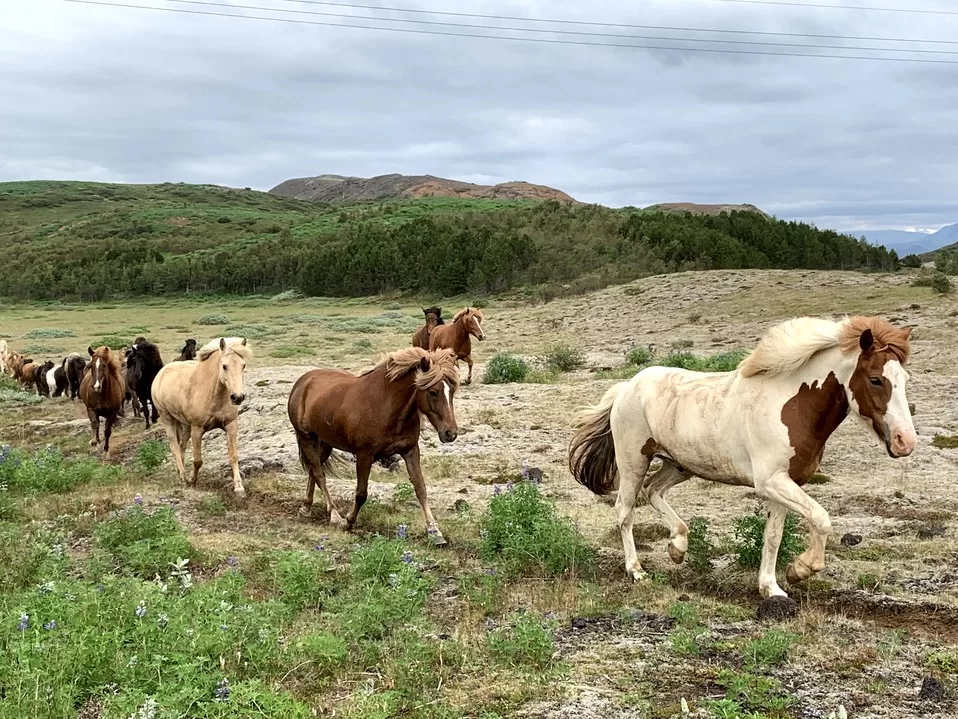
Icelandic horses are smaller, sturdy, and incredibly gentle, making them a great option for families. Riding through open landscapes was a highlight for us and worked well even for kids without prior riding experience.
Let the Road Trip Be the Experience
Some of our favorite moments weren’t planned stops at all — they were roadside pull-offs, unexpected viewpoints, and quiet moments between destinations. Iceland rewards families who slow down and let the journey unfold naturally.
If you want to see how these experiences fit together day by day, you can follow our Iceland with kids itinerary, which shows exactly how we structured our road trip without feeling rushed.
Unforgettable Experiences to Book in Iceland With Kids
Some Iceland experiences are easy to do on your own. Others are far better, and sometimes only possible, with a guided tour, especially when traveling with kids. These are the standout experiences that families consistently love, and the ones most worth booking in advance.
Snorkeling Between Two Continents at Silfra (Ages 12+)
Snorkeling in Silfra, a crystal-clear fissure between the North American and Eurasian tectonic plates, is one of Iceland’s most unique experiences. Visibility is unreal — often over 300 feet — and the dry suits make it surprisingly comfortable, even in cold water.
This is best for confident older kids and teens who are strong swimmers and up for something truly unforgettable.
👉 Snorkeling Silfra half-day tour
Horseback Riding on Icelandic Horses (Great for Kids)
Icelandic horses are smaller, delightfully shaggy, and incredibly gentle — perfect for families. One of the highlights is experiencing the tölt, a smooth, fast gait that feels unlike anything else.
We did this in gusty, cold weather and still loved every second. The scenery alone makes it worth it, but the horses steal the show.
👉 Black sand beach horseback riding tour
Whale Watching (Best for Patient, Curious Kids)
Whale watching is thrilling when conditions cooperate, but it’s weather-dependent and requires flexibility. Tours from northern Iceland and smaller ports tend to offer calmer seas and excellent sightings. This works best for kids who can handle time on a boat and unpredictable outcomes.
👉 Whale watching tour from Hauganes
Northern Lights Tours (Not a Summer Activity)
This is a big one to get right: you cannot see the northern lights in summer. Tours typically run from late September through March, when nights are dark enough. If you’re traveling in winter or shoulder season, guided tours increase your chances by chasing clear skies.
👉 Northern Lights minibus tour
Golden Circle Day Trip (Easy Win From Reykjavík)
If you’re basing yourself in Reykjavík, the Golden Circle is the easiest and most efficient day tour. Expect a long but manageable day (8–10 hours round-trip) covering geysers, waterfalls, and Thingvellir National Park. It’s a great overview if you’re short on time or not self-driving.
👉 Grand Golden Circle day tour
Glacier Hikes (Ages 10+)
Walking on a glacier is one of those experiences kids never forget — but it must be done with a guide. Crampons, safety gear, and expert instruction make this safe and accessible for adventurous families with older kids.
👉 Glacier discovery hike near Vík
Puffin Cruises (We Wish We’d Done This)
We tried — and failed — to spot puffins on our own near Vík at 11 pm under the midnight sun. Turns out, a guided boat tour dramatically improves your chances of a close encounter. Puffins are seasonal (generally May–August), and tours know exactly where to find them.
👉 Reykjavík classic puffin watching tour
Glacier Lagoon + Justin Bieber Canyon (A Must-See)
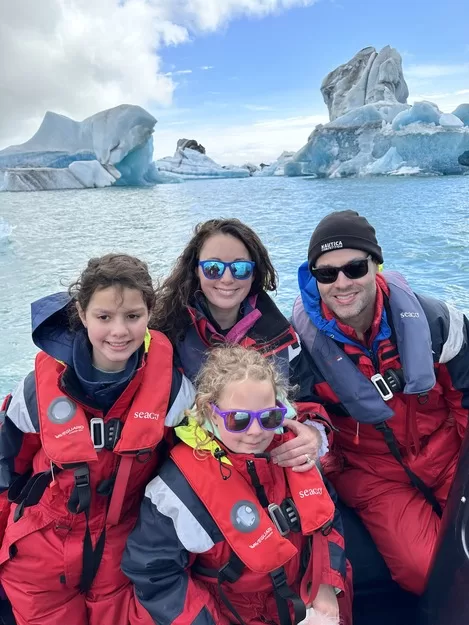
This combines two unforgettable stops: Fjaðrárgljúfur Canyon (yes, the Justin Bieber canyon, and my favorite hike of all time) and Jökulsárlón Glacier Lagoon. Seeing the icebergs up close drives home how quickly these landscapes are changing. If you only book one long day tour, make it this one. Our family absolutely loved this adventure. Even my little scaredy-cat enjoyed the high-speed zodiac!
👉 Small-group Glacier Lagoon & canyon day trip
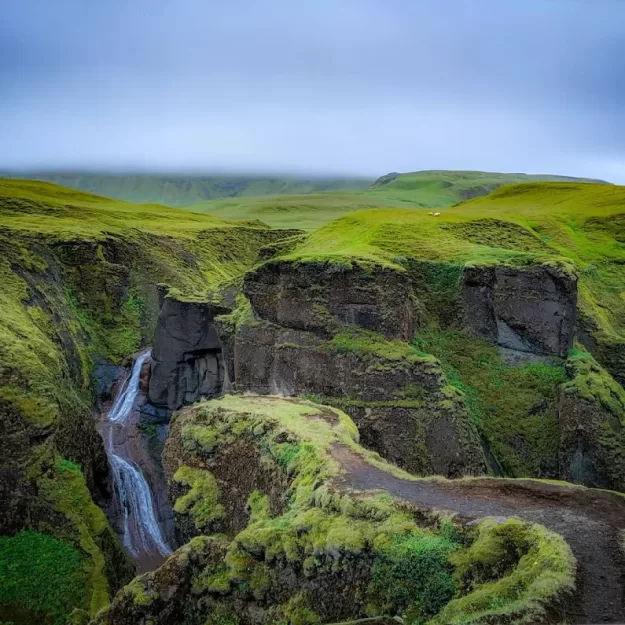
Fjaðrárgljúfur Canyon
Ice Caves (Ages 10+, Winter Only)
Ice caves are for families looking for something truly adventurous. These tours are typically only available in winter, when conditions are safe. The glowing blue ice feels otherworldly and is unforgettable for older kids and teens.
Pro tip: If you’re traveling in peak season or with older kids, book these early — family-friendly time slots and small-group tours fill up fast.
Looking for a Luxury, Fully Planned Iceland Family Trip?
If planning routes, weather contingencies, and logistics feels overwhelming, there are exceptional luxury, family-focused group and private trips in Iceland that take care of everything — accommodations, transportation, guides, and many meals — while still delivering real adventure.
These trips are ideal for families who want a deeper experience without the stress of self-driving or daily decision-making.
An Upgraded Small-Group Iceland Family Adventure
One standout option is an 8-day, family-designed small-group journey created specifically for families with kids ages 7 and up. This experience blends Iceland’s most iconic landscapes with hands-on, kid-friendly exploration.
Highlights include:
- Exploring geysers and waterfalls along the Golden Circle
- Hiking volcanic terrain and walking behind waterfalls
- Visiting an Icelandic horse farm
- Descending into a lava tunnel
- Soaking in a geothermal lagoon
- Traveling with expert guides and private transport
This style of trip includes high-quality accommodations, many meals, and thoughtful pacing that works well for families — without feeling overly touristy. These experiences typically start around $5,000 per person and are designed to make family travel feel seamless and meaningful.
A Fully Private, Custom Iceland Family Journey
For families who want complete flexibility, there are also private, tailor-made Iceland trips designed around your interests, pace, and travel style. These journeys often focus on storytelling and immersion, which kids love.
A luxury private family itinerary might include:
- Learning Icelandic folklore through hands-on activities for kids
- Visiting waterfalls, geysers, and the Golden Circle with a private guide
- Spotting puffins on the Westman Islands
- Meeting Icelandic horses at a working farm
- Exploring inside a glacier via an ice tunnel
- Ending the trip with a relaxing soak at the Blue Lagoon
Private journeys like this typically run 7 days and can be fully customized, from hotel style to daily activities, with pricing reflecting the exclusivity and personalization involved.
Want Help Booking One of These Trips?
If a fully planned, luxury Iceland family trip sounds appealing, I’m happy to help you explore the best options and determine whether a curated group experience or a private itinerary makes the most sense for your family.
Contact me to plan and book a luxury Iceland family adventure, and I’ll guide you through the options, answer questions, and handle the details. If you’d rather DIY, here’s our exact route.
Iceland With Kids FAQ
Yes. Iceland is clean, safe, and easy to navigate with kids. English is widely spoken, roads are straightforward, and most attractions are outdoors and low-stress. The biggest adjustment for families is weather, not logistics.
Iceland is one of the safest countries in the world for families. Crime is extremely low. The main safety considerations are natural hazards like waterfalls, changing weather, and ocean conditions, all of which are manageable with basic awareness and supervision.
Yes, Iceland is expensive, especially for accommodations and food. Families can manage costs by self-driving, making simple lunches, shopping at grocery stores, and limiting restaurant meals. Campervan travel can significantly reduce overall costs.
Iceland works best for school-age kids, tweens, and teens who can handle driving time and outdoor activities. Younger kids can still enjoy Iceland, but shorter days and flexible pacing are important.
Most families need 5 to 7 days to experience Iceland without rushing. Shorter trips work if you stay near Reykjavik and book day tours. Longer trips allow for slower travel and fewer crowds.
Yes. Campervans are surprisingly family-friendly in Iceland. They provide flexibility, save on hotel costs, and make meals easier. Even families who don’t normally camp often find camper travel works well here.
Many kids love hot springs, especially after cold or windy days. Choose family-friendly pools, follow shower rules, and avoid overcrowded spots for the best experience.
Most families stick to familiar food. Grocery stores are easy to use, and kid-friendly meals like soups, pizza, and burgers are widely available. Making lunches helps keep costs down and kids happy.
Yes, but it’s limiting. Families who don’t want to drive can base themselves in Reykjavik and book guided day tours. Renting a car or campervan offers far more flexibility and a better pace for kids.
Absolutely. Iceland offers unique landscapes, manageable travel logistics, and memorable experiences that appeal to both kids and adults. With realistic expectations and thoughtful planning, it’s an excellent family destination.
Adventurous Tastes is reader-supported. This article includes affiliate links for which I may receive compensation. All opinions are honest and not influenced by affiliate relationships.
Pin for Later

Keep Planning Your Iceland Adventure
- The Ultimate Iceland With Kids Itinerary: 5-Day Road Trip
- The unique Icelandic tomato soup restaurant you’ll fall in love with
- Icelandic Licorice: The Unexpected Sweet Treat You Need to Try

Wow! What an adventure! I like how you didn’t try to everything, it’s so nice to enjoy and cater to the kids!
Sounds like such a fun adventure!! I’m sure this is something your kids will remember forever. I sure didn’t do anything this exciting as a kid haha
We took the kids to Iceland a couple of years ago in April (and lucked out with the weather). It’s one of my favorite trips. Iceland is “otherworldly”.
I really liked how clearly everything is laid out, especially the practical details about traveling in Iceland with kids. It made a lot of things feel more realistic and less intimidating. Thanks so much for sharing your experience.
It seems like you put a lot of thought and planning into traveling to Iceland with kids! For parents, this guide would be a gold mine!
As someone who doesn’t have nor wants to ever travel with kids, I still found the post helpful because even without kids considering how to travel, where to stay, and what activities are available is great for planning my trip!
We also went twice to Iceland, once with our kid and once before our son was born. Both were road trips with self-driving and staying at hotels/bnb’s. However we went in May 2006 and in July 2015. We did a round trip around the island in 2006 and had snow in the Northern half. Iceland is such a beautiful country, the nature is unique.